A Pakistani Catholic Perspective
“Synodality is the path which God expects of the Church of the third millennium.”
— Pope Francis —
The global Catholic Church is currently engaged in a transformative journey of Synodality a process defined by communion, participation, and mission. In the context of Pakistan, this synodal path is inseparable from the pursuit of gender justice. Synodality calls for a Church that listens to those at the margins, and in our society, women and girls often occupy the most precarious positions. True gender justice within a synodal framework means moving beyond tokenism to a deep, theological recognition of the equal dignity of women. For the Pakistani Catholic community, the challenge is to ensure that the “walking together” includes the voices of sisters who have long been silenced by both cultural patriarchy and systemic discrimination.
Challenges for Women and Girls
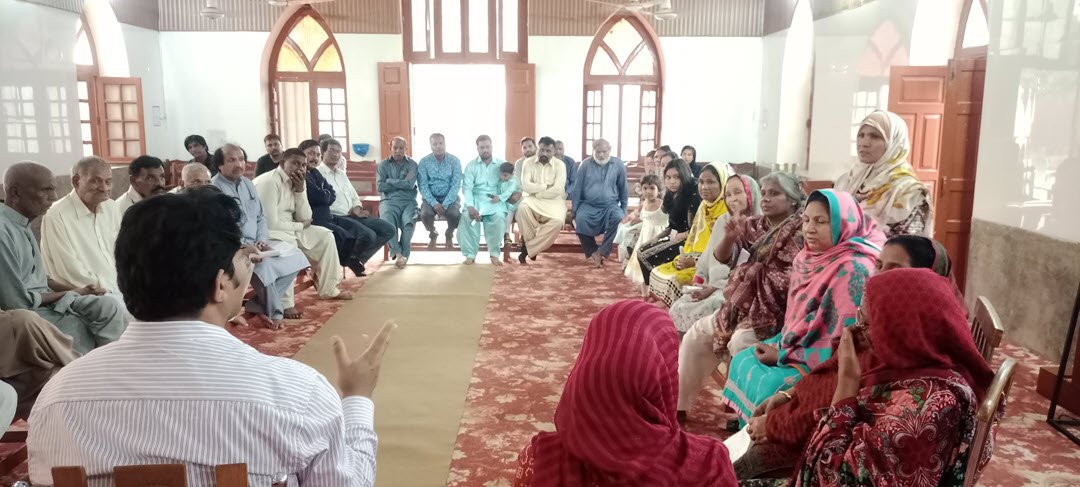
The reality for women in Pakistan, particularly those from the Christian minority, is marked by a “double marginalization” based on both gender and faith. According to the 2025 Global Gender Gap Index, Pakistan remains near the bottom of world rankings in gender parity, reflecting stagnation in women’s health, education, and economic security.
- Forced Faith Conversions: One of the most harrowing hurdles is the prevalence of forced conversions and predatory marriages. CSJ’s Human Rights Observer 2024 documented over 100 reported cases in 2023, while estimates indicate around 1,000 such cases annually, with high concentration in Sindh’s Karachi, Hyderabad, and Ghotki districts. These acts are often shielded by a lack of strict age-verification laws, leaving young Christian girls vulnerable to life-altering trauma.
- The Shadow of Blasphemy: Christian women live under the constant threat of the misuse of blasphemy laws. High-profile cases, including the recent death sentence of Shagufta Kiran in late 2024 for digital communications, demonstrate how these laws are weaponized to settle personal scores or marginalize minority voices.
- Economic Disparity: Christian women are frequently trapped in a cycle of low-wage labor. Many are restricted to domestic service or sanitary work where they face physical insecurity and wages far below the provincial minimums.
- Violence and the Justice Gap: Reports from 2024 indicate a staggering rise in domestic violence and rape cases. However, the conviction rate remains below 3%, highlighting a systemic failure in the judicial process that leaves victims without recourse.
Laity and Religious Inclusion
To address these challenges, the Catholic community, though small must first lead by example through internal reform and external advocacy:
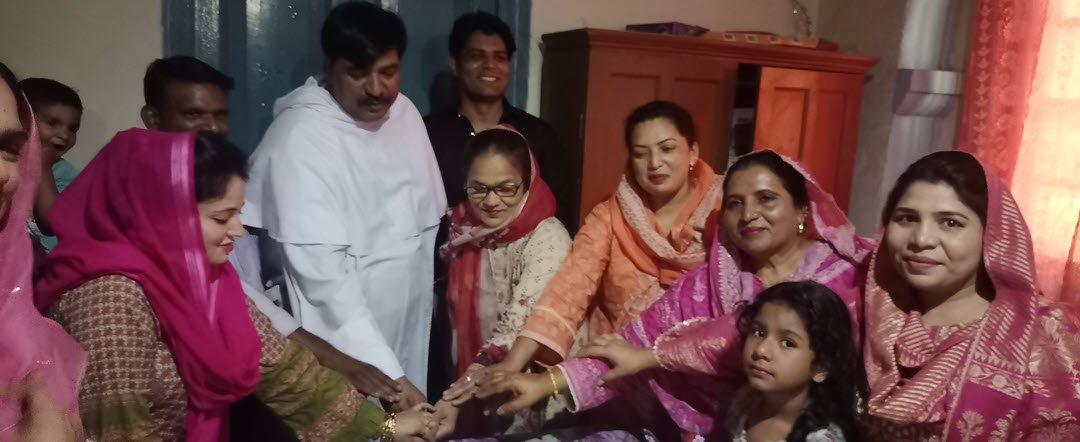
Leadership and Decision-Making: We must transition from seeing women only in “service” roles (such as choir, decorations or cleaning) to placing them in leadership roles. Women should be active members of Parish Pastoral Councils and financial committees, ensuring their perspective shapes the Church’s mission.
The Role of the Laity: As a community, we must create “Safe Spaces” within our Small Christian Communities (SCCs) to discuss gender-based violence and provide a support network for families facing legal threats or abductions.
The Mandate for Religious: Priests and Religious Sisters play a vital role in dismantling patriarchal mindsets. Sermons and parish education must focus on gender equality, while religious orders can expand their reach by providing legal aid and vocational training to empower women economically.
Synodality is the bridge to a more just and inclusive society. By fostering a culture of mutual respect and empowerment within the Church, the Pakistani Catholic community can become a beacon of hope, proving that when we truly walk together, the hurdles of injustice can be overcome. By embracing this path, leadership stops being a prize to be won and starts being a service to be shared.
Mehwish & Ashiknaz Khokhar
Member Catholic Church Reform International