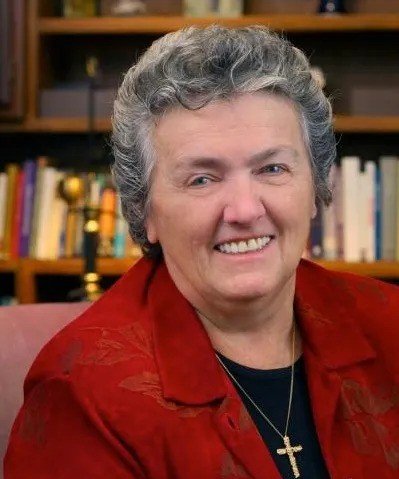
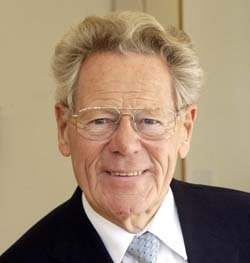
This is a USA Weekly article titled “Why the Catholic Church Still Matters in the Modern World.” This article argues that declining church attendance in parts of Europe and North America should not be confused with a decline in global influence. With roughly 1.3 billion members and a presence in nearly every country, the Catholic Church remains one of the world’s largest and most consequential institutions.
The article emphasizes the Church’s enormous humanitarian infrastructure. Catholic organizations operate schools, hospitals, clinics, charities, refugee programs, and disaster-relief efforts around the world, frequently serving people regardless of religion or ability to pay. Catholic schools educate millions of children, including many in poorer regions where educational alternatives may be limited. This network gives the Church practical influence extending far beyond practicing Catholics.
The Church also remains influential in international moral and political debates. Papal statements on war, poverty, capital punishment, immigration, environmental stewardship, and other issues receive worldwide attention. The article argues that the papacy possesses a rare global platform capable of bringing moral questions before enormous international audiences.
A substantial portion of the article focuses on internal reform movements. Catholics themselves are debating governance, transparency, the role of women, and greater participation by laypeople.
It also highlights Rene Reid, an amazing woman, a former Catholic nun and founder of Catholic Church Reform International, whose organization advocates greater lay participation and equality for women. The

The article notes the historic 2023 decision to allow women and other lay Catholics to vote in the Synod of Bishops and describes CCRI’s efforts to gather family perspectives for Church leaders.
Ultimately, the article portrays Catholicism as neither static nor disappearing. Despite scandals, declining attendance in some regions, and generational changes, it remains a vast humanitarian organization, a moral voice, and an institution undergoing active internal debate. Its continuing controversy and reform efforts, the article argues, are themselves evidence that the Church remains socially significant two thousand years after its founding. (USA Weekly)
The article was written by Nathan Brooks, who is a staff writer with USA Weekly, and he covers books, publishing trends, and author stories. His work combines thoughtful analysis with a passion for literature, helping readers discover noteworthy titles and emerging voices.