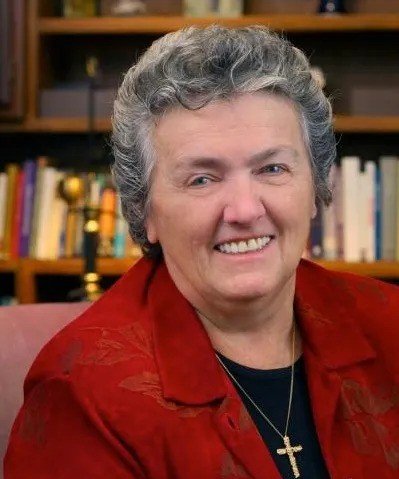
This Los Angeles Wire article argues that reform within the Catholic Church does not necessarily mean rejecting tradition. Instead, reform can involve recovering important elements of Christianity’s earliest traditions that became less visible as the Church developed increasingly complex institutions. The article focuses on theologian and reform advocate Rene Reid and the organization she co-founded in 2013, Catholic Church Reform International (CCRI).
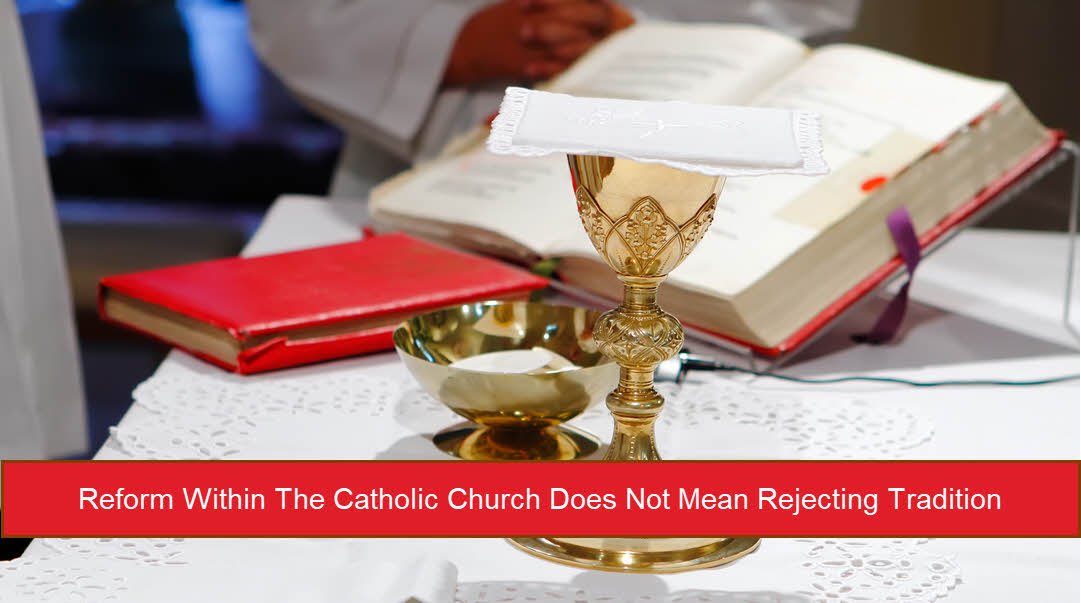
CCRI promotes a more participatory, or “synodal,” Church in which clergy and laypeople share more responsibility for discussion and decision-making. Its priorities include stronger lay involvement in Church governance, a meaningful lay voice in selecting bishops, greater equality for women, optional priestly celibacy, improved accountability regarding clergy sexual abuse, and greater inclusion of LGBTQ Catholics.
The article links this approach to the participatory principles of the Second Vatican Council. CCRI participated extensively in the Catholic Church’s 2021–2024 Synod on Synodality, organizing international consultations and submitting participants’ views to the Vatican. The organization has also used conferences, webinars, podcasts, educational programs, and Small Christian Communities to encourage ordinary Catholics to participate more directly in Church life.
A central argument is that such participation actually has roots in early Christianity. Early Christian communities frequently gathered in homes rather than formal church institutions. Women such as Lydia, Priscilla, and Phoebe played significant roles in supporting, organizing, and ministering within these communities. The article suggests these examples show that early Christianity included substantial communal participation and female leadership.
Ultimately, the article presents Reid’s reform philosophy as renewal rather than rebellion. Instead of abandoning Catholic tradition, CCRI seeks to broaden the Church’s understanding of tradition by recovering early practices of community participation, dialogue, shared responsibility, and ministry. Its central question is whether the Church can remain faithful to its historic identity while allowing more Catholics to participate meaningfully in determining how that faith is lived today.
Note: Los Angeles Wire identifies the article as branded content, meaning a third party supplied or sponsored it rather than the Los Angeles Wire producing it as independent editorial reporting.